What Makes a Detroit Beat Work for Babyfxce E, Rio Da Yung Og, and Veeze?
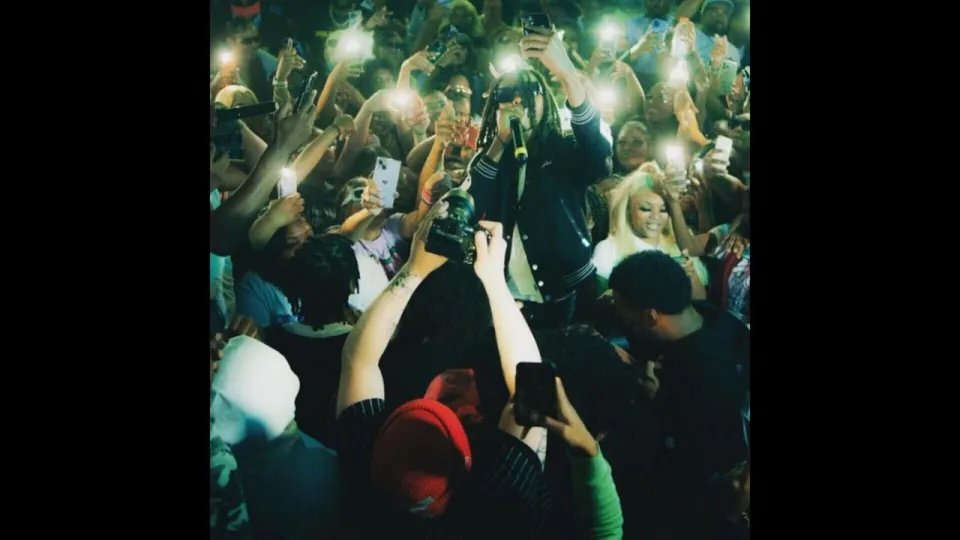
Video: [FREE] Babyfxce E x Rio Da Yung Og x Detroit Type Beat - “Superstar"
Need articles like this for your video? They help promote it on YouTube and Google — order them in the Telegram bot @sat_sit_bot. It writes articles around your video, embeds the video and publishes them on popular niche websites (no ads). Your first 50 articles are free.
Key takeaways
- Detroit beat "Superstar" runs at 99 BPM in B minor.
- "Superstar" is a free-for-non-profit type beat from producer Flintana.
- MP3 lease costs $29.99, WAV $39.99, and Unlimited $89.99.
- Streaming and monetized releases require a paid license, free use does not cover them.
- The instrumental targets Babyfxce E, Rio Da Yung Og, and Veeze-style flows.
A Detroit beat is a sparse, dark trap instrumental built around minor-key piano or synth loops, punchy 808s, and fast hi-hat patterns that leave room for deadpan, conversational rapping. The "Superstar" instrumental by Flintana is a textbook example: 99 BPM, B minor, and a loop that sits low enough for Babyfxce E, Rio Da Yung Og, and Veeze-type flows. You can grab the untagged version through the instant download link on BeatStars.
What defines the Detroit beat sound in 2026
The Detroit sound is less about a single drum kit and more about negative space. Producers in the city, and the many who imitate them, keep the low end heavy but the mid-range almost empty. That gap is where the rapper lives.
Key ingredients you hear in most Detroit type beats:
- Minor-key piano, Rhodes, or detuned synth loops, often just two or four bars long.
- 808s tuned to the root note, with slides that answer the vocal rather than fill every bar.
- Hi-hats that roll in triplets or 32nd notes but stay quiet in the mix.
- Snare or clap on the third beat, sometimes doubled, to give the track a slight push.
- Very little reverb on the drums, so the beat sounds dry and close.
"Superstar" follows that blueprint. At 99 BPM it sits in the pocket where a rapper can ride the beat with short, clipped phrases instead of long melodic runs. B minor keeps the mood dark without turning it into full sad-trap territory.
Why 99 BPM in B minor suits Babyfxce E and Rio Da Yung Og
Tempo and key are not decoration, they decide how a verse lands. At 99 BPM, a 16-bar verse gives the artist roughly 38 seconds of runtime, which is short enough to keep punchlines dense and long enough to build a scene.
Babyfxce E tends to rap in a flat, almost bored register, stacking details about money, cars, and street politics. Rio Da Yung Og works the same lane with a more animated, off-the-cuff delivery. Both styles need a beat that does not fight the voice. B minor gives them a dark bed, and the 99 BPM tempo lets them speed up or slow down a phrase without the drums falling out from under them.
If you are writing to this beat, a few practical notes:
- Count the loop in four-bar blocks and mark where the 808 slides land.
- Write your first four bars as a thesis, not a warm-up. Detroit verses rarely have long intros.
- Leave the last two bars of every eight open for an ad-lib or a pause.
- Test your verse at speaking volume. If it only works loud, the pocket is wrong.
How the "Superstar" type beat is structured
A type beat earns its name by leaving obvious entry points for a specific artist. "Superstar" is built so a rapper can start on bar one, with no long atmospheric intro that has to be skipped.
- The melodic loop carries the identity of the track and repeats with small variations.
- The drum pattern stays consistent, so the artist can lock in and stay there.
- The 808 pattern moves under the loop rather than doubling it, which creates movement without clutter.
- The mix keeps the vocal range clear, roughly between 200 Hz and 4 kHz, so a raw vocal take sits on top without heavy EQ.
That structure is why the instrumental works for a Babyfxce E type beat, a Rio Da Yung Og type beat, and a Veeze type beat at the same time. The differences between those artists are in delivery, not in what the beat asks for.
Licensing, free use, and what you can actually release
The word "free" on a type beat video has a narrow meaning. Flintana states clearly that free use covers non-profit use only. Uploading a song with this beat to Spotify, Apple Music, YouTube Music, or any other streaming platform requires a valid license.
License tiers listed for "Superstar":
- MP3 lease — $29.99
- WAV lease — $39.99
- Unlimited — $89.99
There is also a bundle offer: buy two beats, get one free, if both are added to the cart. If you already released a track using the beat without a license, the producer notes that you can still buy the correct license afterward through the same link. That is a common situation for artists who upload a freestyle first and sort out paperwork later.
Common questions producers and artists ask about Detroit type beats
Most of the friction around type beats is not musical, it is procedural. Artists want to know what they are allowed to do, how much it costs, and whether the beat will match their voice.
On the business side, the three things that matter are the lease tier, the distribution platforms you plan to use, and whether you need Content ID registration. A standard lease usually permits streaming and monetization under the artist's name, but it does not transfer ownership of the instrumental. Content ID and YouTube claims are handled differently depending on the producer's terms, so it is worth confirming in writing before release.
On the creative side, the question is simpler: can you ride a 99 BPM B minor loop for three verses without repeating yourself? If the answer is yes, the beat is doing its job.
How to get the most out of a Detroit instrumental session
A Detroit beat rewards restraint. The space in the arrangement is the feature, not a flaw to be filled.
- Record a full pass before punching in. The delivery matters more than any single line.
- Keep ad-libs sparse and placed at the end of phrases, not on top of them.
- If you stack vocals, keep the doubles low. The dry drum mix exposes loud stacks.
- Bounce a rough mix and listen in a car before you commit to a final vocal.
Producers building in this style can also study how little the loop changes across the track. The variation comes from the drums and the 808s, not from adding new melodies every eight bars.
Final thoughts on the "Superstar" Detroit beat
"Superstar" is a clean example of what a Detroit type beat is supposed to do: 99 BPM, B minor, dark melodic loop, and enough space for a rapper to sound like themselves. Flintana, the channel behind the instrumental, built it for Babyfxce E, Rio Da Yung Og, and Veeze-type records, and the structure holds up for any artist working in that pocket. If you want the untagged files, the BeatStars page handles instant delivery, and the license tiers start at $29.99 for MP3. Pick the tier that matches your release plan before you upload anything to a streaming platform.
Source: [FREE] Babyfxce E x Rio Da Yung Og x Detroit Type Beat - “Superstar" · Markdown version
Questions & answers
Is the "Superstar" Detroit beat free to use for a song on Spotify?
No. Free use is limited to non-profit purposes. Releasing a track on Spotify, Apple Music, YouTube Music, or any other streaming service requires a paid license, which can be purchased through the BeatStars link in the video description.
What does the basic MP3 lease allow me to do?
The MP3 lease at $29.99 is the entry tier and is intended for releasing a finished song. It does not transfer ownership of the beat, and Content ID or YouTube claim terms depend on the producer's license text, so confirm those details before distributing.
Can I use this beat if I already uploaded a song without a license?
Yes. The producer notes that if you already released a track using the beat without a license, you can still purchase the correct license afterward through the same link. Sorting it out retroactively is better than leaving the release unlicensed.
Why does the instrumental use a spoken voice tag?
Producer voice tags mark the beat as a preview and make it harder to use the free version in a release. The untagged files come with the paid license, which is why the tagged version is the one you hear on YouTube.